
May 2026
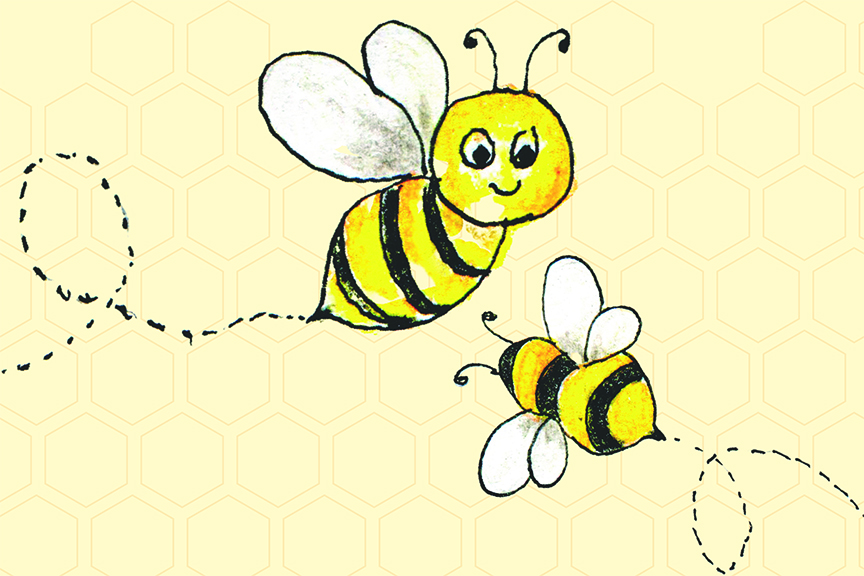
story and artwork by Anne M. Dellinger, Contributing Columnist
Every season has unique sights and sounds that make the passage of time meaningful. And while it is easy to see the familiar things that define each three-month span, you might be missing some of the season’s sounds.
Now that spring is in full swing, take a moment to just listen to this season. Lawn mowing, crop planting, sporting events, birds mating and nesting, spring peepers “peeping” — all add loud, recognizable sounds to this outdoorsy time of year.
Springtime can be very noisy as the air fills with the clamor of activities. But there is also quiet sound that often goes unnoticed unless you are a sharp-eared listener. It is a faint buzzing and humming sound heard wherever flowers are blooming in gardens, canopies of fruit trees, hay fields and backyards.
You can probably guess that the steady droning comes from some very important members of the animal kingdom — the “tiny but mighty” busy bees!
Bees buzz and hum around the globe and are found everywhere except the polar regions. Worldwide, there are more than 20,000 known species of bees with 4,000 native to the U.S. alone. These winged creatures come in as many shapes, colors and sizes as the flowers that they pollinate, yet the average person is familiar with only one or two bees, especially the honeybee.
This golden-yellow buzzing bundle of energy arrived with European settlers in the 17th century, so it is not native to the U.S. The honeybee is called a social bee because it lives in a highly organized colony with workers, drones and a queen. Sweet honey comes to mind with this bee, but be aware that the female worker bee can deliver a mean sting. Its venom-injecting stinger is barbed and locks into its victim. Unfortunately for the bee, it is a fatal, one-time sting because the implanted stinger causes the abdomen to tear as the bee tries to fly away. Another recognizable bee, known for its large, fuzzy body of yellow-and-black stripes and loud buzz, is the bumblebee. It is both native and social. Unlike the honeybee, its stinger is barb-free and can deliver multiple painful stings, if threatened, and still live to “buzz” about it.
Most bees are solitary, meaning they live alone, usually in the ground or in hollow wood and stems. Without the protection of a hive and the sharing of responsibilities, the female solitary bee leads a demanding life:
- She builds and defends her own nest.
- She lays her own eggs.
- She gathers nectar and pollen for her offspring.
- She does it all without help and gives real meaning to the “busy as a bee” expression.
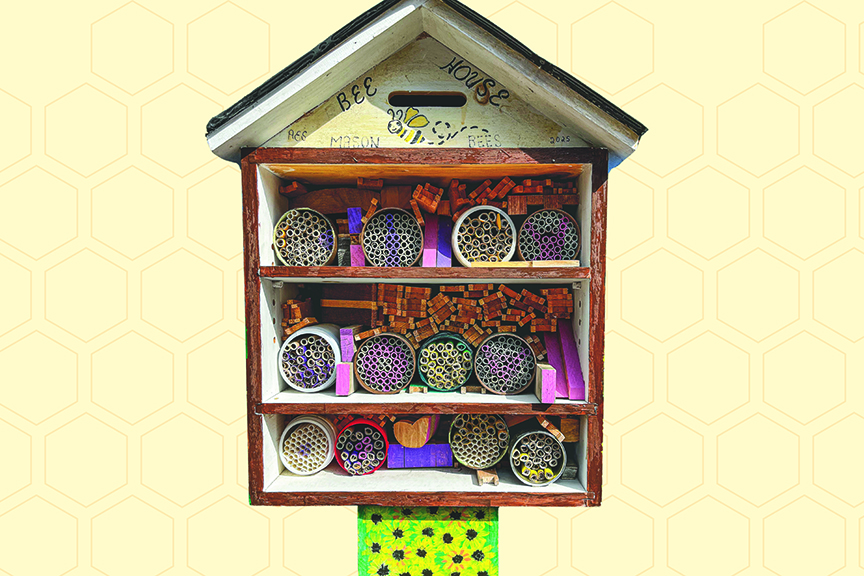
Mason bee house
KNOW YOUR BEES
As you spend the warm months outdoors, challenge yourself to discover the different bees buzzing around in your neighborhood.
Here are a few clues to help you identify these common solitary bees. Better still, take a cellphone picture and use the Visual Look Up feature or an insect guidebook to help identify them.
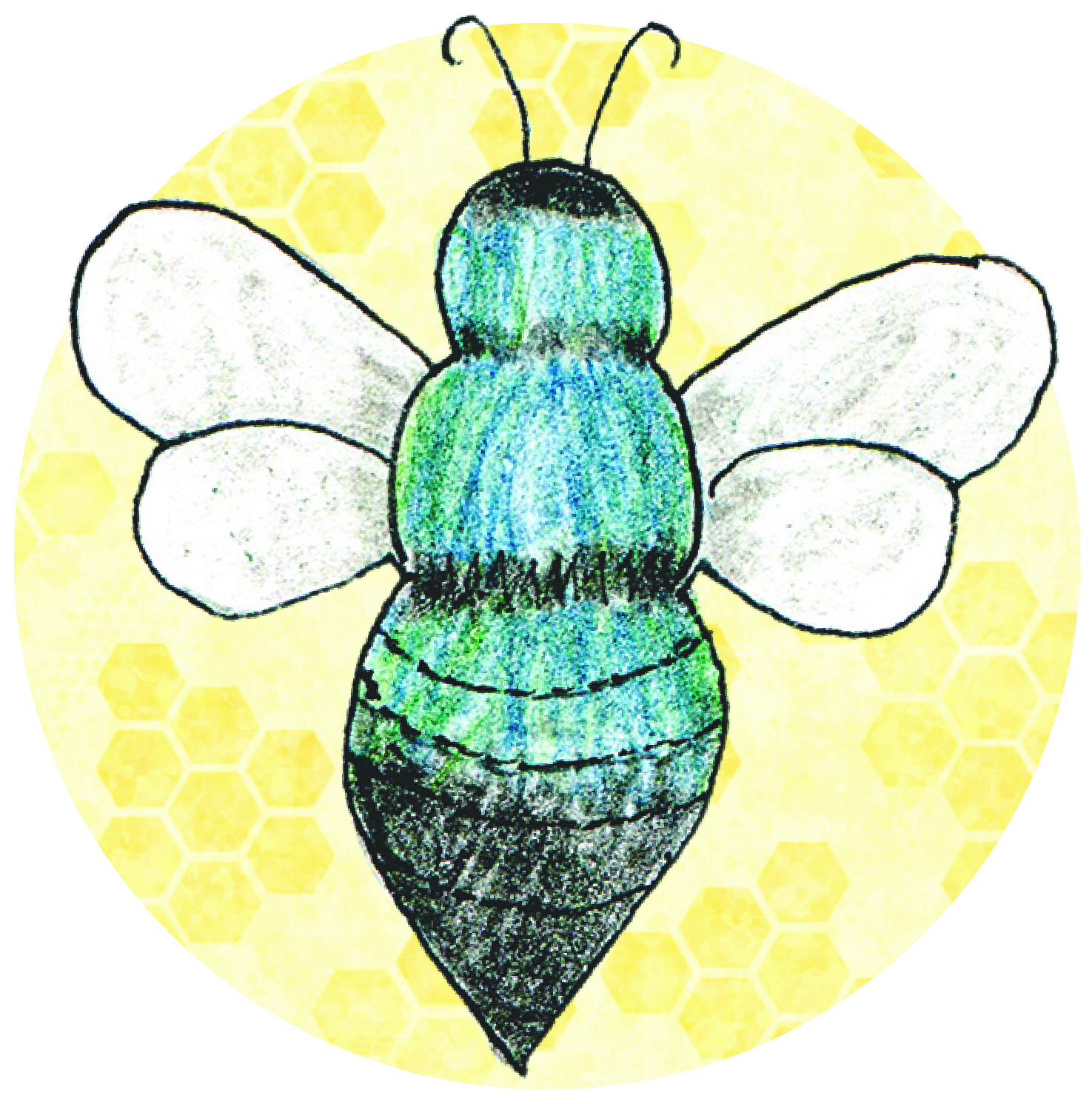
MASON — A small bee, metallic blue or black; uses mud to build nests in holes or tubes; is non-aggressive and rarely stings. Some people create mason bee condos to welcome these super-pollinators to the neighborhood.
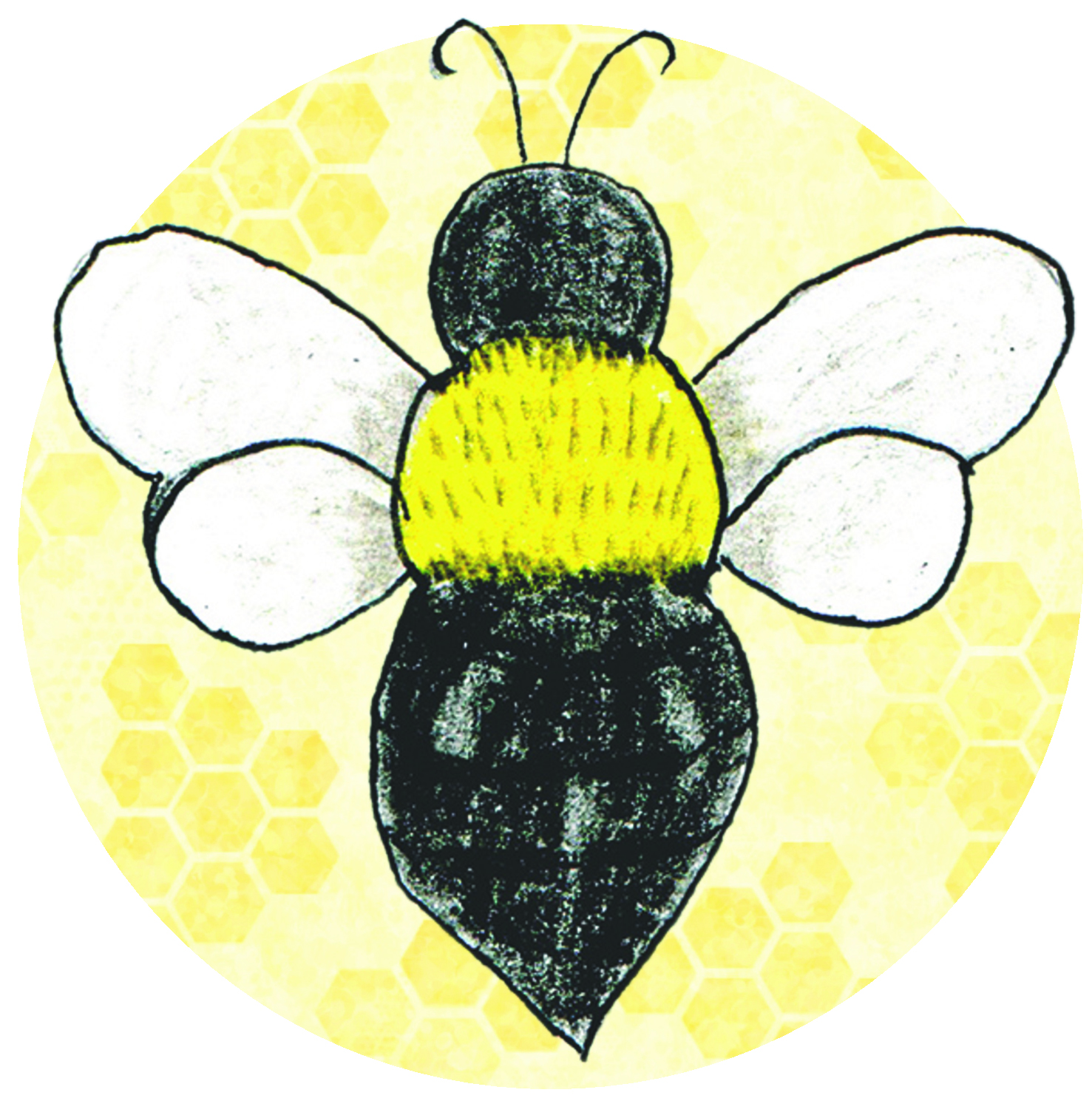
CARPENTER — A large bee with a shiny, black abdomen; often mistaken for the bumblebee. It sometimes hovers at eye level and “stares” but cannot sting.
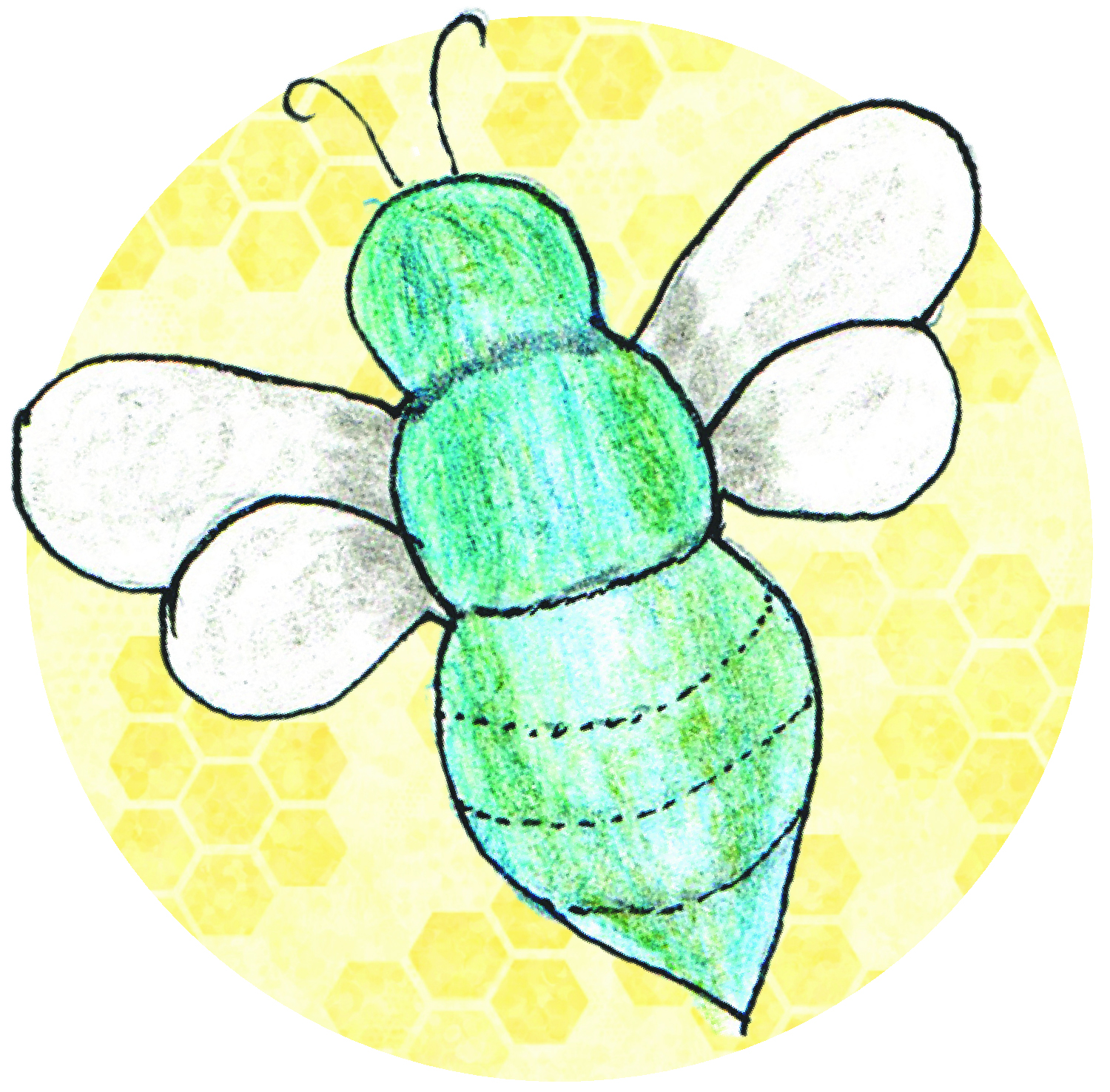
SWEAT — A tiny, metallic blue, metallic green or striped bee; attracted to human sweat. They are non-aggressive but will deliver a mild sting if trapped or swatted.
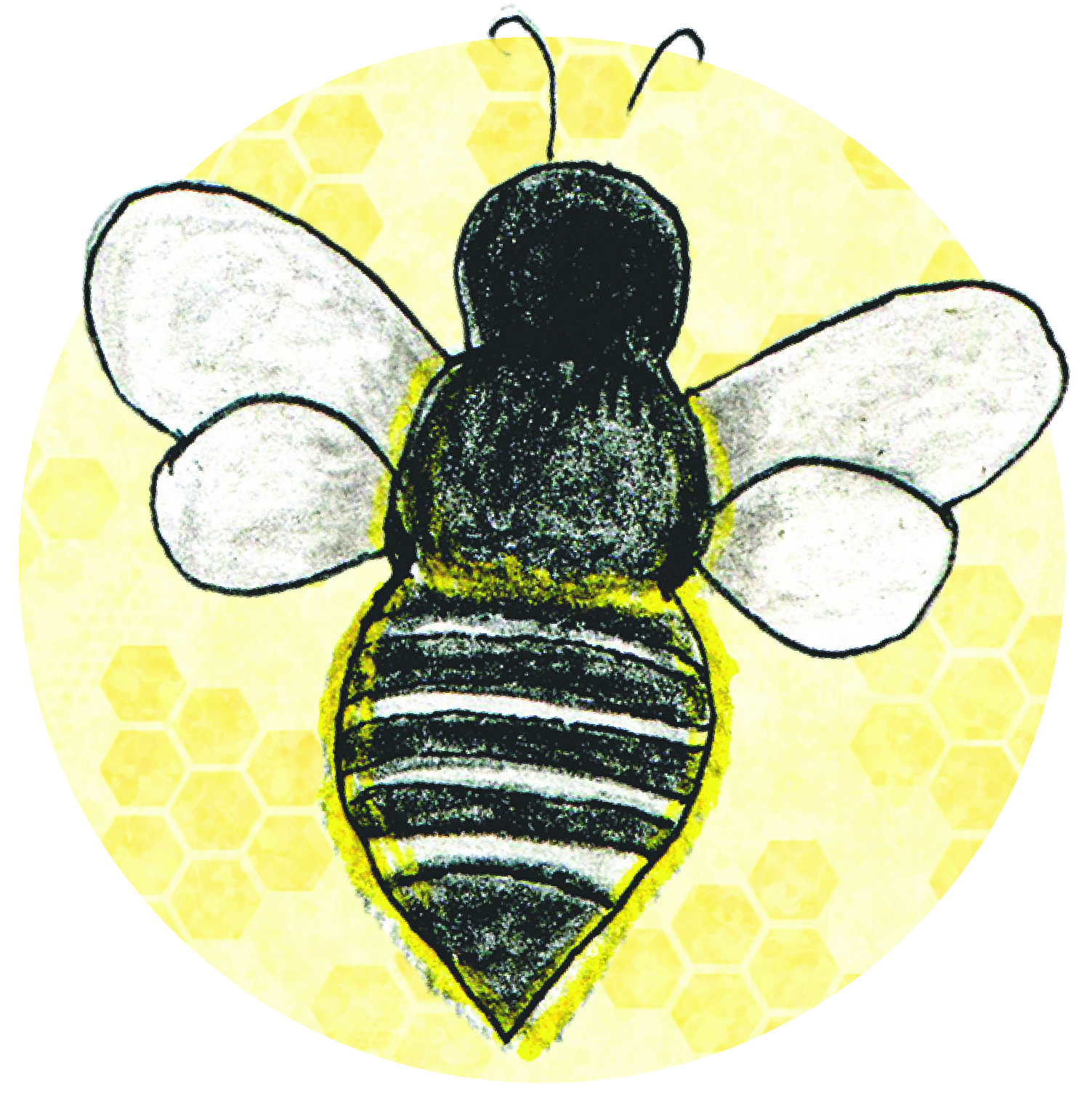
LEAF CUTTER — A small black bee; the female has fuzzy yellow bands on the abdomen; it cuts neat, circular pieces out of leaves, especially roses, to line its nest; non-aggressive and rarely stings.
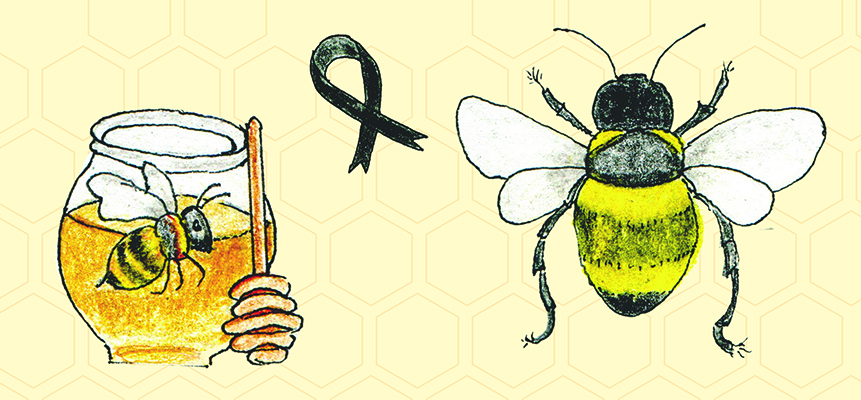
May 20 has been set aside as World Bee Day to remind everyone that “a future without bees would really sting.” This quote is believed to have originated from a beekeeper’s journal in the 1940s, but its message will always hold true. Life would not only be painful but disastrous if bees disappeared.
The global food supply, agriculture, wildlife and healthy ecosystems all depend on the vital pollination services provided by bees. Along with this understanding comes the troubling knowledge that bee populations are declining globally due to habitat loss, pesticides, climate change and disease. Bee protection is more crucial than ever for the human race.
The bees, of course, are unaware of their vital role in keeping the world healthy and in balance as they scatter pollen grains.
But if they were mindful of their significant superpower and how it is being threatened, they might send out this letter to the planet:
Dear Earth,
If we die, we’re taking you with us.
Signed, The Bees
From the bees’ point of view, we’re all in this together, so we need to do our part for bee conservation. Talk with your family about planting more flowers, leaving a few “wild” spots in the yard for nesting solitary bees and avoiding the use of pesticides.
The hum of bees is a quiet, reassuring voice of springtime, to be appreciated now and protected for the future.
Go listen and cherish the buzz!
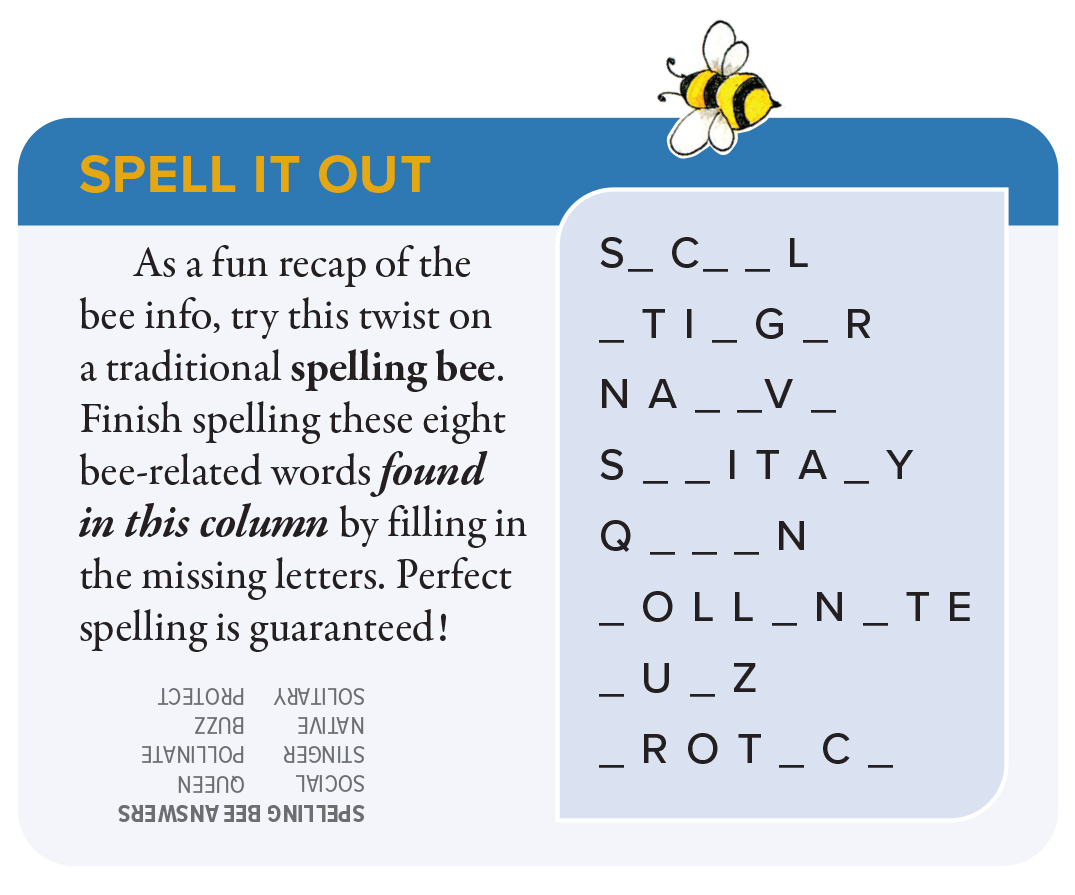
For a printable PDF of this spelling bee puzzle, click here.
SUPER SLEUTH CORNER
“A _______ of bees in May is worth a load of hay.”
The missing word refers to a colony of bees that has outgrown its hive and is searching for a new home. The large group of bees might look like trouble, but they are full of honey, they are calm and they’re unlikely to sting unless provoked.
Complete the rhyme to discover the name of the Super Sleuth challenge. Follow the directions below and then submit your findings for a chance to win a $25 Amazon email gift card.
- Find a picture of a bee colony hidden in this magazine and give the page number.
- What is this cluster of bees called?
- Have you ever seen a huge collection of bees like this one?
- If you discover a huge mass of bees, what is something you could do to protect it from harm?
Submit your answers online at co-opliving.com/super-sleuth or send answers with your name, address and phone number to:
Cooperative Living Super Sleuths
4201 Dominion Blvd., Suite 101
Glen Allen, VA 23060
Kids Korner submissions are for children under the age of 16.
MARCH SUPER SLEUTH WINNER
The March Super Sleuths was about wind, nature’s invisible superpower. For a chance to win a $25 Amazon email gift card, kids were asked to find a drawing of the continent where the windiest place on Earth is located hidden in the magazine and then provide the page number it was hidden on. They were also asked to name the windiest place, as well as provide some ways they have played with the wind.
 The winning answers are:
- Page 29
- Antarctica
- “I have thrown a boomerang back and forth with my brother.”
- “I live seaside and it gets windy, which makes it harder for us to throw the boomerang.”
OUR WINNER IS ROLAND.
Congratulations, Roland!
A&N Electric Cooperative member