
How the power grid — and your comfort — depend on substations
August 2026
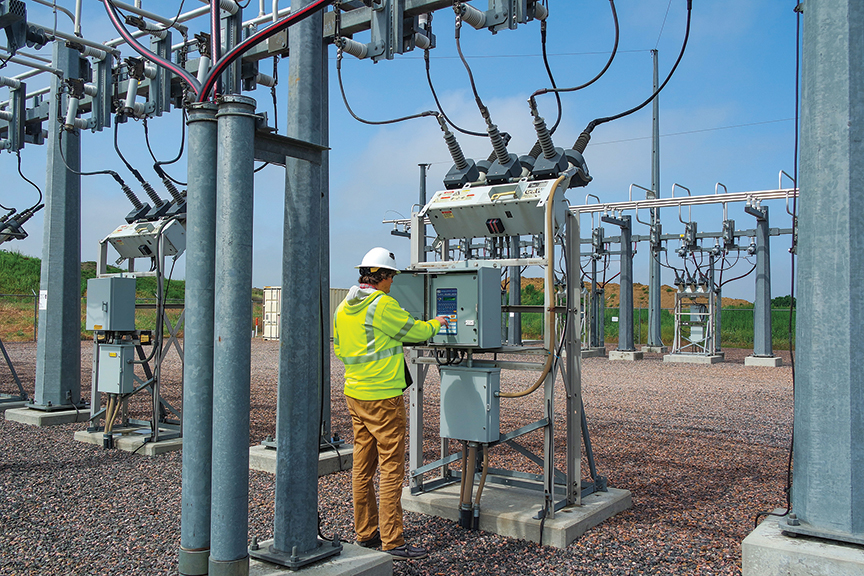
Every light switch you flip, every well pump you operate and every device you charge depends on a substation doing its job without interruption. (Julie Stewart/United Power photo)
by Jeffrey Groenewold, Contributing Writer
Electric substations are essential to keeping the lights on in our communities. You’ve seen them — those tall fenced-in areas filled with metal structures, wires and heavy equipment. They may not look flashy, but they’re among the most important behind-the-scenes components of the grid.
Substations take power from high-voltage transmission lines and convert it to the lower voltages that get distributed to your home, farm or business. Every light switch you flip, every well pump you operate and every device you charge depends on a substation doing its job without interruption. Utilities work 24/7 to maintain and improve these substations.
They began as simple switching points to handle basic voltage changes. Early designs used bulky equipment and manual controls. As communities grew, electric demand on the grid grew with them.
Today’s substations use advanced sensors, automated controls and digital communication systems, allowing electric utilities to better manage the grid. These tools help rural electric utilities respond faster to outages, monitor equipment health and manage energy with more precision.
When a substation faces a major issue, such as from a storm or wildlife contact, the impact is immediate. Communities lose power and Wi-Fi service, businesses stall, farms lose time-sensitive operations, and emergency communications can face added strain. A modern substation protects your community from disruption. It isolates problems, keeps dangerous faults from spreading and supports important line equipment across long distances.
Communities add new homes, businesses, irrigation systems and commercial buildings every year. Each addition increases the load on the grid. Th at’s why your co-op builds new substations and upgrades older ones to keep pace with growth, technology changes and safety needs.
Modern substation designs use equipment that requires less strenuous maintenance while improving system protection. Smart-enabled protection devices reduce the time needed to identify and isolate faults. These advanced monitoring tools give utilities better visibility into real-time grid conditions. For the surrounding community, these investments lead to stronger reliability. You experience fewer outages. Your farm or business gains resiliency. Your home appliances run on steadier voltage.
Co-ops depend on modern substations to manage costs. A well-placed substation can support growing neighborhoods or rural industries with less construction and lower long-term investment.
These facilities also support the changing energy landscape. Renewable energy systems, electric vehicles, and electrified commercial and industrial operations need modern control points. Modern substations allow co-ops to integrate these resources without sacrificing reliability. They help manage energy across widespread areas and keep the grid balanced during peak conditions.
When substations operate well, communities thrive — they are the backbone of the electric system. When they falter, everything from daily chores to essential services feel the impact. That’s why electric cooperatives will continue to invest in these facilities to support safe, reliable and affordable service for every member in every community they serve.
Jeff Groenewold writers on consumer and cooperative issues for the National Rural Electric Cooperative Association.
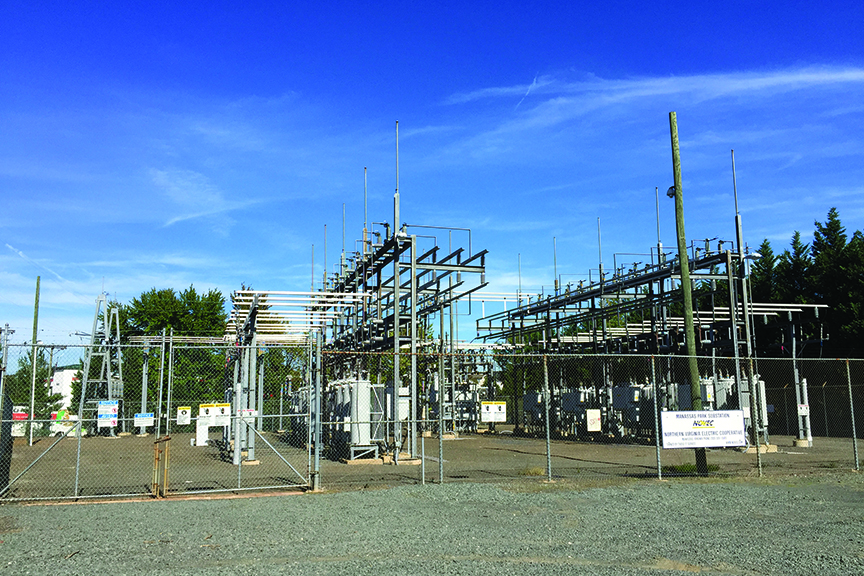
Manassas Park Substation, NOVEC