
Portable energy units offer limited cost-cutting benefits
August 2026
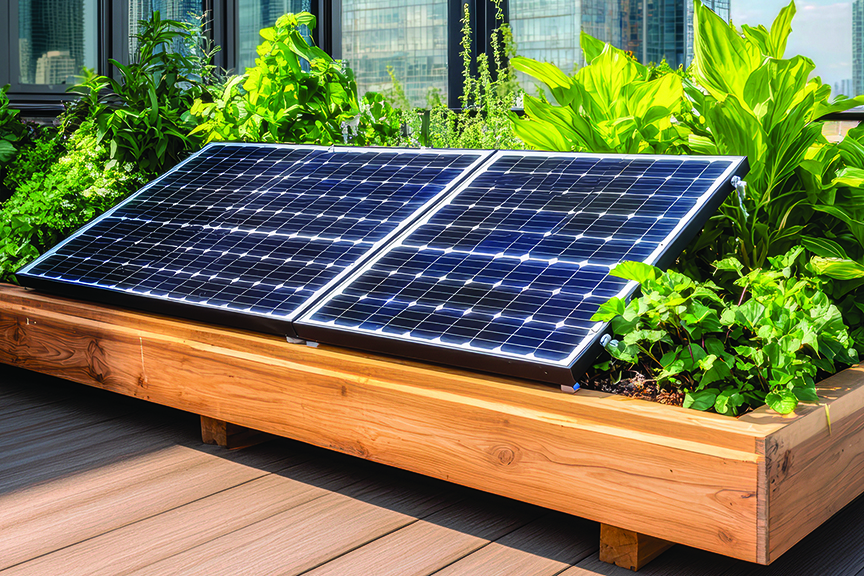
Virginia is one of three states in the U.S. to legalize the use of portable solar energy systems. (Vecteezy photo)
by Jack Cooksey, Staff Writer
If you haven’t heard the term balcony solar yet, you will soon. Also called plug-in, portable or modular solar, it’s a way to lower power bills by reducing the amount of electricity drawn from a utility.
How does it work? A small group of panels hung over a sun-facing balcony or fence draw energy from the sun, feed through a microinverter and send limited power through an outlet into your home.
In April, Virginia became the third state — and first in the South — to legalize the use of portable solar energy systems in residential and commercial buildings. The law went into effect in July.
GAINING POPULARITY
Dozens of other states are following the trend, typically with strong bipartisan support. Utah was the first to legalize balcony solar in March 2025. Maine followed this April, just before Virginia. Now some other states are close to passing laws, while others are in preliminary stages.
Since 2022, portable solar has gained popularity in Germany, where more than 1 million systems have been registered as of early this year. Other European countries are following suit, too.
With the promise of rising demand in the U.S., the marketplace has been quick to respond. Stores and online retailers now sell portable solar systems ranging from 180 watts to 1,600 watts, although Virginia limits systems to 1,200 watts.
KNOW THE NUMBERS
Many will rush at the chance to lower their power bills, yet consumer advocates advise caution and patience when you start to shop for plug-in solar systems.
Because the U.S. is just entering the market for plug-in solar, there’s isn’t yet a substantial body of data and consumer reviews to help guide you. Numerous sources offer product comparisons and user reviews to help guide your search.
The costs and savings of balcony solar can vary, depending on the manufacturer, a location’s sun exposure and the average amount of sunshine.
Here are some figures: An average U.S. home uses 28 to 30 kilowatt-hours of power per day — or more — according to the U.S. Energy Information Administration. Industry sources say a 400-watt balcony solar system generates an average of 1 to 2 kilowatt-hours per day, while a 1,200-watt system produces 3 to 5 kilowatt-hours daily. All told, that’s approximately 3.5% to 17% of power not generated by a utility, based on those averages. You’ll still receive a bill from your co-op based on the power you use at your home.
RULES OF THUMB
With so many new factors at play, a buyer-beware mindset will serve you well. Here are some basic guidelines.
Risk Factors: Confirm that your residence or business has electrical wiring capable of accomodating a balcony solar system. Does the building need any upgrades? Is the solar system appropriate (not too large) for your home, to avoid fire and electrical hazards?
Certified Products: Purchase only UL-listed or nationally recognized certified equipment with anti-islanding protection and certified inverters. Beware of unscrupulous sellers using fake certifications.
Ask for Help: You shouldn’t need an electrician to install your balcony solar unit, but if you are unsure, it’s best to use a qualified installer or electrician.
TELL YOUR CO-OP
You must notify your electric cooperative before installing or using a plug-in solar system. If your co-op doesn’t know, their metering network may detect a problem and they may call to investigate or send a technician to your home.
Notifying your co-op also helps them keep lineworkers safe during storms. When your co-op is trying to restore power, it is important for them to know where plug-in solar systems are located to avoid unintentional injuries to lineworkers.
Follow all instructions for your solar device, and do not plug it into any overloaded outlets, power strips or extension cords. Your solar device should be the only device plugged into the outlet.
For more information, visit co-opliving.com/balcony-solar.