
Watchful ways to stay safe when severe weather strikes
July 2026
by Abby Berry, Contributing Writer
Summer weather can go sideways fast. A routine afternoon can turn into high wind, flooding rain or a tornado warning in a matter of minutes. In Virginia, hurricane season, which runs from June 1 to Sept. 30, can also bring inland impacts well beyond the coast, including heavy rain, flash flooding and tornadoes. That’s why the safest response is often the fastest one: Pay attention early and move before conditions worsen.
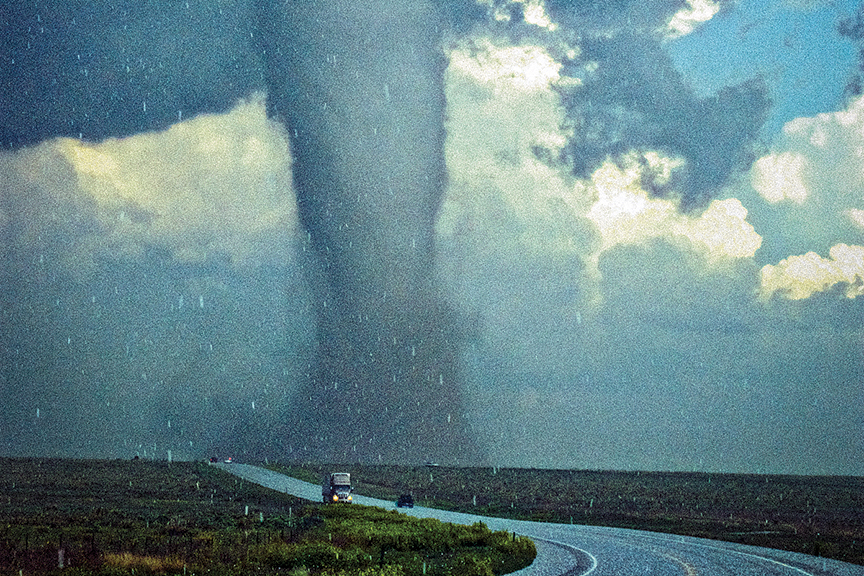
IF A TORNADO WARNING IS ISSUED
Go immediately to the safest place in the building:
- A basement, safe room or small interior room on the lowest level
- Away from windows and exterior walls
- With your head and neck protected
- Resist the temptation to look outside to see what the storm is doing.
- Mobile homes, sheds and tents aren’t safe shelter.
- If you’re in a vehicle, the best move is to get to a sturdy building as quickly as possible.
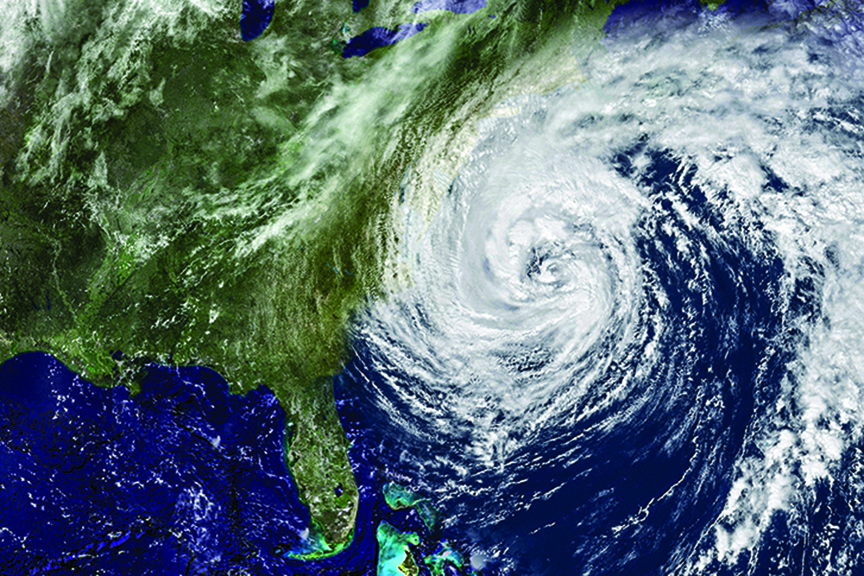
IF A HURRICANE OR TROPICAL STORM MOVES THROUGH
If local officials have not ordered an evacuation:
- Stay indoors.
- Move away from windows and glass doors.
- Shelter in a hallway, closet or other interior room.
- If conditions suddenly calm, don’t assume the storm has passed. In a hurricane, the eye of the storm can create a brief lull before dangerous winds return.
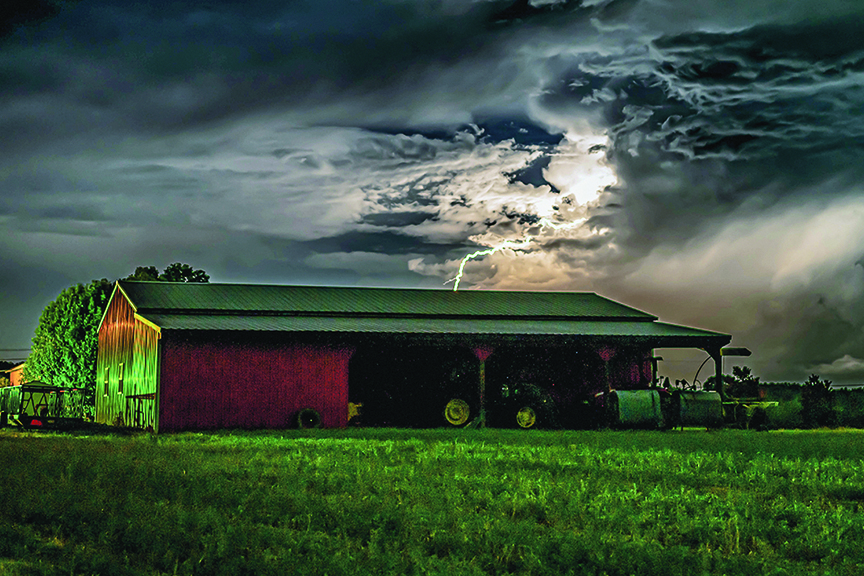
IF THUNDER ROARS, GO INDOORS
Lightning safety starts the moment you hear thunder:
- Get inside right away.
- Avoid using corded electronics.
- Avoid using plumbing fixtures, staying on porches or in open garages.
- Wait 30 minutes after hearing the last clap of thunder before going back outside.
- That means no shower, no dishwashing and no standing in a doorway to watch the storm roll through.
BEWARE OF DAMAGE
Storm damage can leave behind one of the most dangerous hazards of all: downed power lines. Assume every downed line is energized. Stay at least 35 feet away from the line and anything touching it, including trees, fences, vehicles or standing water. If a line falls on your car, stay inside unless there is fire, and call 911 and your electric co-op or power company.
When the weather turns dangerous, get inside, stay informed and don’t take chances with summer storms.
Abby Berry writes on consumer and cooperative affairs for the National Rural Electric Cooperative Association.