Strategies to manage your electric bill
July 2026
In our region’s hot summers, air conditioners run longer, refrigerators work harder and our activities, from cooking dinner to doing laundry, often happen during the warmest parts of the day. That’s also when the demand for electricity is at its highest, and thus most expensive for your electric bill.
During peak energy hours there’s added pressure on the grid. On the hottest days, demand can place significant strain on the grid and contribute to higher costs for consumers. The good news is that small changes at home can make a meaningful difference and help lower your energy bills.
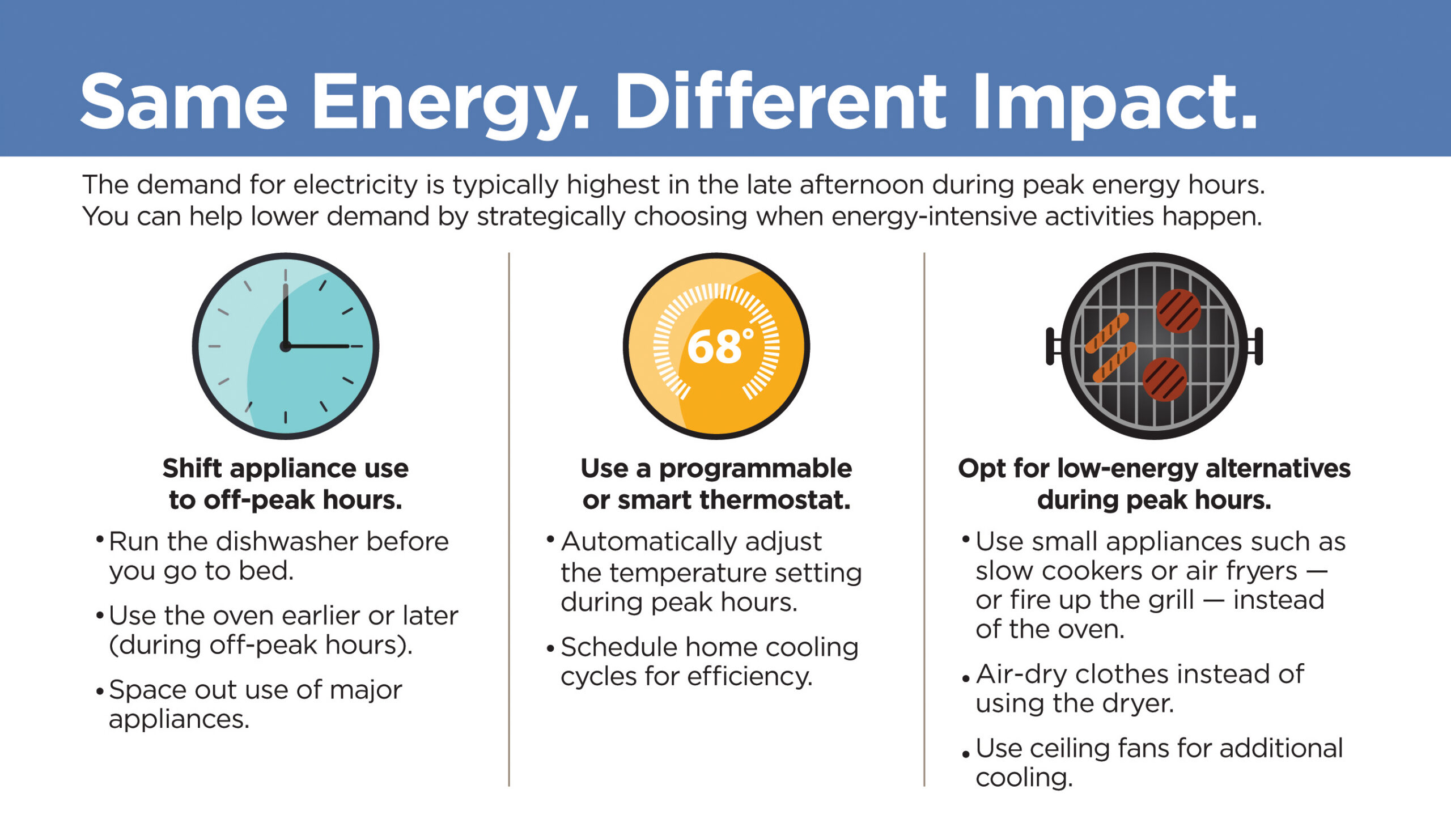
By shifting some of your high-energy activities to off-peak hours — such as doing laundry later in the evening, running the dishwasher before you go to bed or cooking meals earlier in the day — you’re helping spread out demand. That reduces pressure on the grid during critical peak hours. This is good for the grid and reduces the likelihood that demand will exceed supply and cause rolling blackouts, brownouts or other disruptions in service.
Co-ops and power companies sometimes offer incentives to reduce energy use during peak times in order to ease demand. Check with your co-op to explore potential savings and times of day designated as lower-demand hours.
Here are a few simple steps you can take to lower energy use during peak hours:
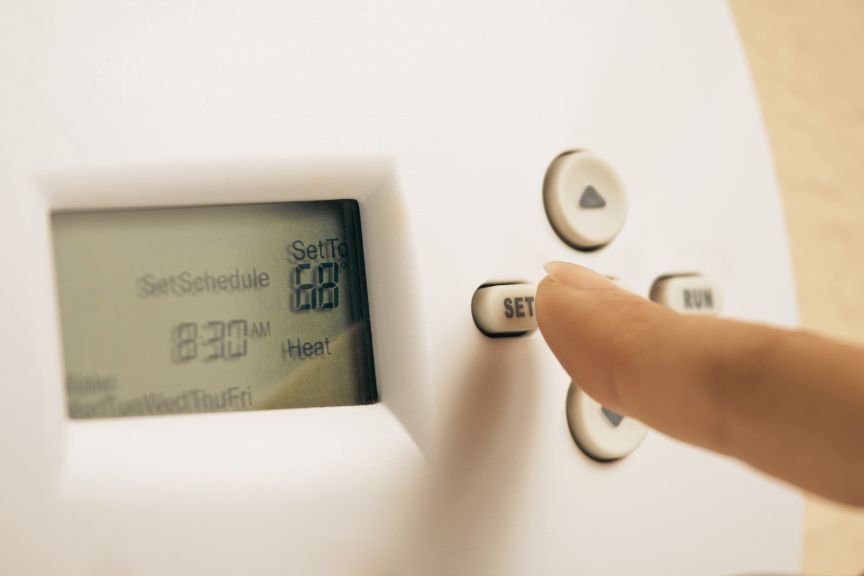
- Use a programmable or smart thermostat to automatically adjust your home’s temperature when demand is highest, helping you stay comfortable while using energy more efficiently. Even a small adjustment of a few degrees during peak hours can make a difference.
- Use a slow cooker, air fryer or outdoor grill instead of the oven to keep your home comfortable and reduce the need for additional cooling during the warmest parts of the day.
- Air-dry clothes or space out when you run laundry loads to cut down on energy use and indoor heat.
- Use ceiling fans to help you feel cooler, allowing you to raise your thermostat setting without sacrificing comfort.
These actions may seem small, but together they add up. When members make mindful choices about when and how they use electricity, it helps reduce peak demand, eases strain on the grid and supports more stable energy costs. That’s the cooperative difference. As a member, you’re not just a customer — you’re part of a community working together to power our future. Every effort you make contributes to a stronger, more resilient system.