
Understanding baseload and peaking power plants
April 2026
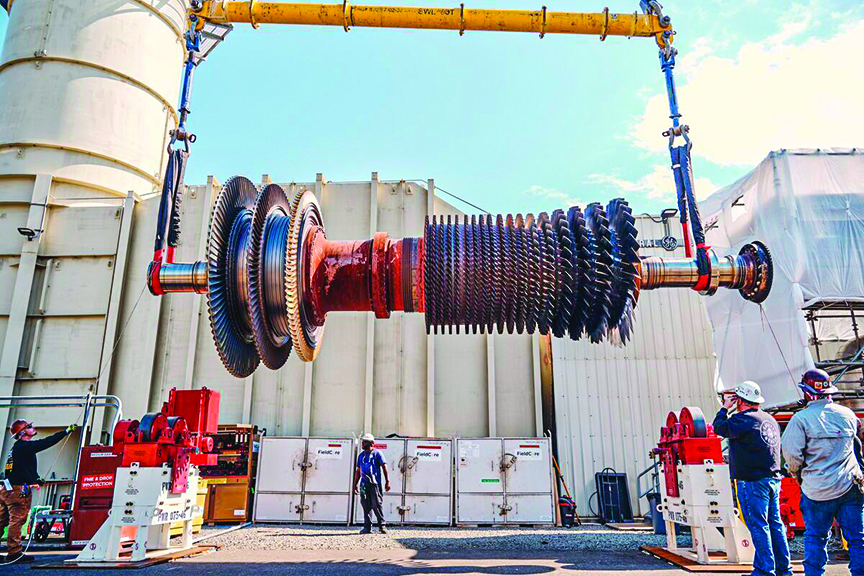
A rotor used at Marsh Run. A peaking plant owned by Old Dominion Electric Cooperative, Marsh Run provides fast, flexible power that supports grid reliability during peak demand.
by Jack McCarthy, Contributing Writer
As Winter Storm Fern moved through the region in the early morning hours of Jan. 25, temperatures began to drop to bone-chilling levels and power demand rose. Across local electric cooperative service territories in Virginia, Maryland and Delaware, temperatures stayed below freezing throughout the week.
In each state, member-owners stayed warm with the help of dispatchable energy resources. Extreme cold and hot temperatures create a massive surge in the amount of electricity needed — or demand. It’s up to local electric cooperatives and generation partners such as Old Dominion Electric Cooperative to ensure power remains reliable even through periods of high demand.
To meet those peaks when our lives rely on power the most, generation partners depend on a variety of generation sources. Two of the most important and reliable types of generation are baseload power plants and dispatchable peaking facilities.
It may sound as though the two are entirely different. They’re not. Consider them as long- and short-distance runners competing for the same team to win a meet. They both power our electric grid, and they both deliver certainty to communities — but each is used in its own specific way. Together, they provide reliable electricity all day, every day.
Understanding how these types of generation work will help you appreciate why an energy portfolio complete with dispatchable and baseload power is essential to reliability.
GRID’S FOUNDATION
Baseload power plants provide a steady supply of electricity around the clock. They’re the long-distance runners of a generation fleet. These plants run most of the time and supply the steady power needed to meet everyday demand. Often fueled by nuclear, natural gas and coal, baseload power plants form the backbone of the electric system.
Because baseload plants operate continuously, they are designed to be dependable and cost-effective over long periods. They help provide stable electricity for homes, schools, hospitals and businesses, no matter the time of day.
Today’s baseload power plants are becoming cleaner and far more efficient. One of the biggest advancements is the combined-cycle natural gas plant. Instead of producing electricity just once from a single burn of fuel, or “cycle,” these plants generate power in two stages. First, natural gas spins a turbine to create electricity. Then, rather than letting the hot exhaust escape as waste, the plant captures that heat to produce steam, which spins a second turbine and generates even more electricity. By making use of energy that would otherwise be lost, combined-cycle plants can reach efficiency levels above 60% — meaning more electricity comes from the same amount of fuel and lower emissions per megawatt-hour.
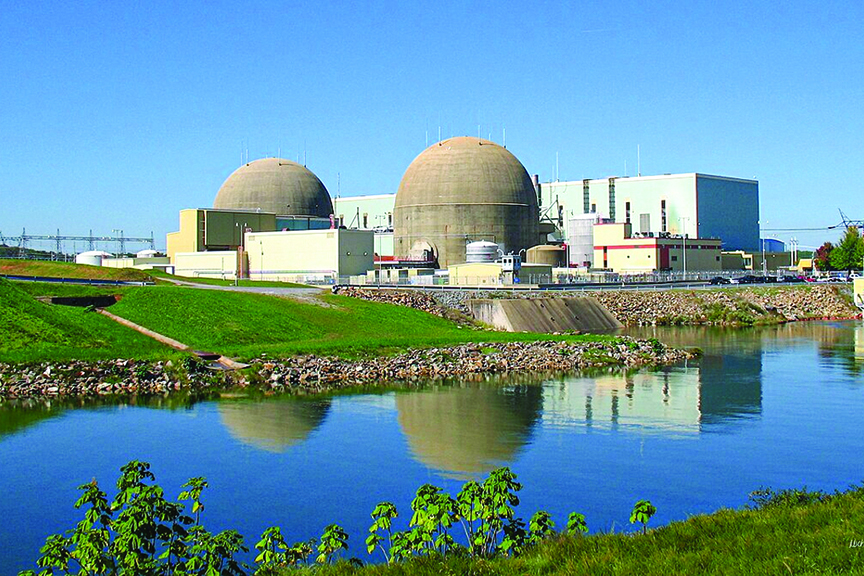
North Anna Power Station, a nuclear facility in which Old Dominion Electric Cooperative owns an 11.6% undivided interest, provides reliable baseload power.
HIGH-DEMAND MOMENTS
Baseload power needs additional support from peaking power facilities during times of high demand. When demand begins to rise, peaking power facilities are called upon to provide a cushion against additional electricity use.
Like a runner who specializes in the 100-yard dash, these “peakers” are designed to start quickly and provide power during short periods of high demand. They act as a safety net for the grid, helping prevent outages when electricity use spikes.
Peaking power plants such as the Louisa Generation Facility and Marsh Run Generation Facility, both owned and operated by ODEC, are typically fueled by natural gas. Many peaking plants also have a backup fuel source, which allows the plant to run even in rare instances when natural gas is unavailable. While peaking plants typically operate for fewer hours, they are critical for maintaining reliability when members need it the most.
NEW RELIABILITY CHALLENGES
Keeping the electric system reliable has become more complex. After nearly two decades of stable electric load growth, our grid is experiencing an unprecedented surge in electricity demand — the largest growth the country has seen since World War II.
As demand grows, maintaining a reliable mix of generation resources has become more important than ever. During Winter Storm Fern, for example, dispatchable generation accounted for more than 90% of the resources responsible for keeping communities warm.
By maintaining a diverse mix of peaking and baseload power resources, generation partners such as ODEC work to ensure local electric cooperatives have dependable electricity during normal conditions and during times of peak demand.
Just like the different types of runners — both of which are essential to win a meet — many types of generation are needed to win the supply-and-demand race. Baseload and peaking plants may operate differently, but they share the same goal: maintaining reliable service for communities when it’s needed most — today and in the future.
A rotor used at Marsh Run. A peaking plant owned by Old Dominion Electric Cooperative, Marsh Run provides fast, flexible power that supports grid reliability during peak demand.
North Anna Power Station, a nuclear facility in which Old Dominion Electric Cooperative owns an 11.6% undivided interest, provides reliable baseload power.