
What higher power costs mean for you — and for your local electric cooperative
March 2026
by Jeff Caldwell, Staff Writer
Rising prices affect everyone, but for electric cooperative member-owners, the impact is both personal and business. Your household budget is squeezed, and so is your cooperative’s. That is why co-ops work hard to manage costs carefully and to be transparent about the factors that influence your bill.
Electric cooperatives are not-for-profit organizations that have limited resources to absorb higher costs. As a result, co-ops are often forced to pass through the cost of the electricity they provide to homes, farms and businesses, along with the expense of keeping power reliable.
That includes maintaining and building power lines, replacing transformers, upgrading equipment, operating substations, purchasing bucket trucks and employing line crews.
WHAT’S BEHIND RISING PRICES?
Your power bill has two major components: delivery costs (maintaining the grid, equipment and infrastructure) and energy costs (the electricity itself ). Both are rising.
Costs for the goods needed to build, maintain and repair the electric lines powering your home are shared across everyone served by the cooperative. This charge can go by different names depending upon your cooperative, but it is essentially a delivery charge that covers the cost of maintaining the electric infrastructure needed to deliver power and manage the system, including meter reading, equipment, maintenance and billing.
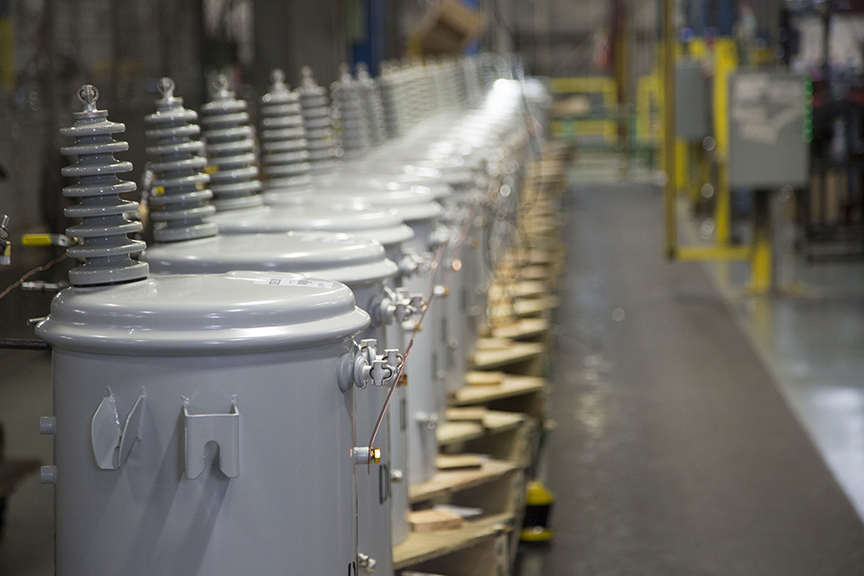
Commodity costs have surged over the past five years. Utility poles are up 25% to 40%, copper wire cost is up 50% and transformers are up 70% to 100%. These increases directly impact delivery charges. Complicating matters further, co-ops must also pay transmission costs to get electricity from the source to a location where it can be distributed.
The cost of electricity flowing through your co-op’s grid is also rising, appearing on your bill as a per-kilowatt-hour charge.
Demand for electricity is increasing at unprecedented levels. Large industrial and commercial projects require more energy, while population growth is driving higher residential use. In parts of Northern Virginia — known as “data center alley” — an estimated 70% of worldwide internet traffic is processed daily, significantly increasing energy demand.
Virginia is one of the nation’s top electricity importers. As national demand grows and more utilities buy power on the open market, supply-and-demand pressures are driving prices higher.
MANAGING COST AND DEMAND
Electric co-ops are working to control costs, reduce power use and plan expansion carefully to meet demand while avoiding unnecessary overbuilding. As member-owners, you are part of decisions that maximize efficiency while minimizing costs. With costs rising, electric co-ops try to work with member-owners who may be struggling to afford their electric bills.
Future columns will examine cooperative efforts to control costs and improve energy efficiency, the impact of data centers on the electric grid, and how co-ops are planning for the future while maintaining traditional business practices that form the foundation of the cooperative model.
To learn more about the charges that appear on your electric bill and how your individual power costs are accounted for, visit your co-op’s website for more information.