
Understanding the difference between dispatchable and renewable generation
March 2026
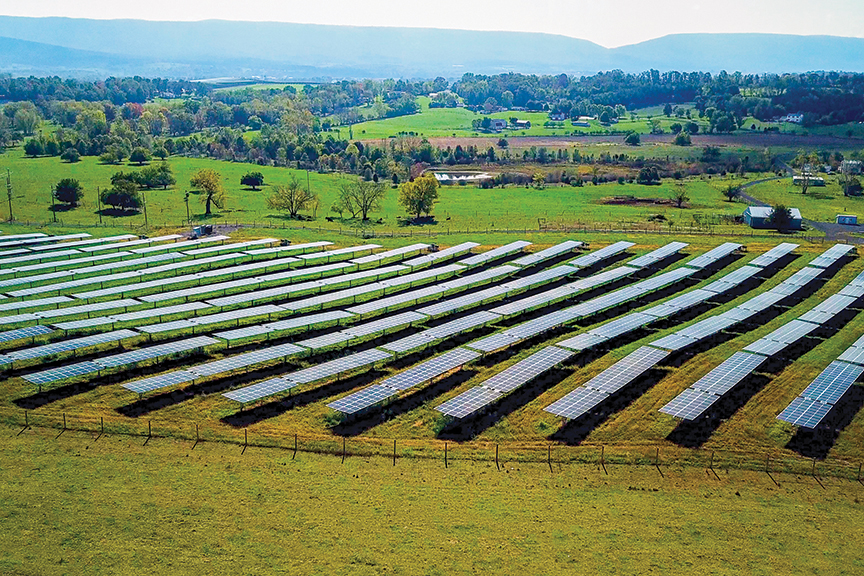
Randolf Solar Project, from which ODEC purchases energy. Renewable energy, although weather dependent, is an important part of a diversified portfolio. (courtesy ODEC)
by Jack McCarthy, Contributing Writer
The risks to reliable power are no longer on the horizon; they’re in your backyard.
Energy demand continues to climb, even as power plants are retiring faster than new ones can be built. As a result, the gap between rising demand and available supply is growing.
Forecasts from regional power grid operator PJM project electricity demand will grow by more than 4% a year, on average, over the next decade — an astonishing pace for a system that has not seen substantial demand growth in years.
Such risks are something electric cooperatives — with a mission of providing reliable electricity all day, every day — take seriously. Using the right energy resources to meet these risks is essential.
That’s why generation partners like Old Dominion Electric Cooperative strategically balance a mix of dispatchable and renewable resources to ensure reliability and affordability for their member cooperatives.
Meeting today’s energy needs — and preparing for tomorrow’s — means understanding how different energy sources work together. No single type of energy can do it all on its own. As a member-owner of a local electric distribution cooperative, it’s important to understand the differences between renewable and dispatchable resources.
RELIABILITY IS AVAILABILITY
Reliability means power is available when needed — not just when conditions are favorable. Dispatchable resources are the backbone of wholesale electricity supply in the U.S. These systems can adjust their output in response to demand and help keep the lights on when other sources are limited.
This winter, for example, during Winter Storm Fern, extreme conditions drove high power demand within PJM. As temperatures dropped, members relied more heavily on electricity to stay warm. Dispatchable resources carried most of the load, with natural gas providing more than 40% of PJM’s on-peak generation mix. Solar and wind, combined, accounted for less than 10%. When demand is high, renewables can only complement dispatchable energy — they can’t replace it.
Dispatchable resources deliver certainty, ensuring that your homes and businesses are warm and well-lit no matter the conditions or demands. Cooperative communities deserve certainty.
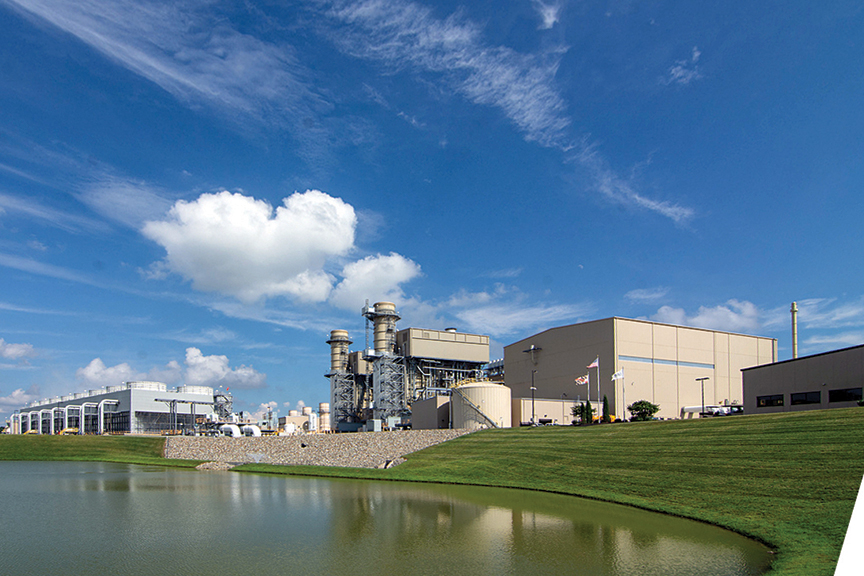
ODEC’s Wildcat Point — a combined-cycle, natural gas generation facility — is part of the generation partner’s balanced energy portfolio.
RELIABILITY MATTERS
When it comes to reliability, not all energy sources are equal. Removing one megawatt of dispatchable energy — such as natural gas, coal or nuclear — from the grid and replacing it with a megawatt of renewable energy, such as wind and solar, is not an even swap. They’re not equally reliable, because they’re not equally available.
Consider the differences between dispatchable and renewable resources this way: Imagine hosting a big summer picnic, and everyone wants a cold drink. You have two ways to keep drinks cold: a cooler full of ice or a refrigerator.
The ice works well at first, but only as long as it lasts. On very hot days, it melts faster than expected, and someone has to keep running out to buy more. The refrigerator, on the other hand, keeps drinks continuously cold.
Renewable energy sources are a lot like the ice. They are a valuable component of a balanced generation mix, but they depend on the weather and are not reliable when called upon for long stretches of time. Sunlight fades and winds change. And batteries, while helpful, do not create energy. Instead, they only discharge what has been stored. During extended periods of extreme demand, when these batteries cannot be recharged, they are no longer useful.
If the metric is reliability, then the focus should be on sustaining systems that can deliver dispatchable, affordable power. By strategically balancing state-of-the-art dispatchable power facilities with renewable energy sources, generation partners like ODEC and your local electric cooperative enable a steady flow of power — every time and everywhere it’s needed.