What you can do to keep co-op crews and your family safe
March 2026
by Jeff Caldwell, Staff Writer
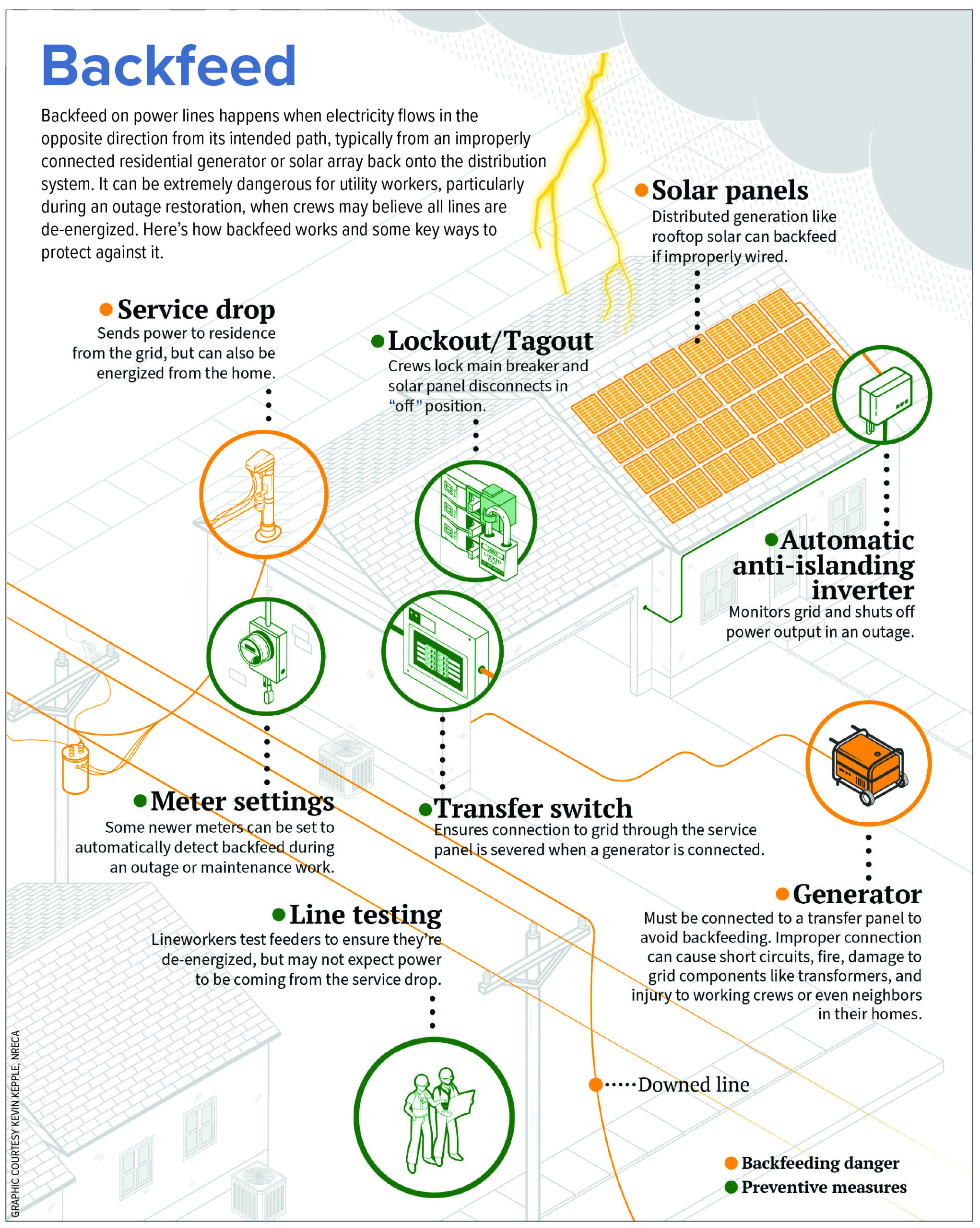
Consumer interest in alternative power sources to homes and businesses — and to restore power more quickly after storms or accidents — has introduced new safety risks for lineworkers and homeowners. One of the most serious hazards associated with solar panels, generators and battery backup systems is backfeed.
Typical power generation flows from a generating facility, such as a power plant or dam, through the transmission lines to electric cooperative substations, and then through the distribution lines to the customer. Backfeed is when power flows in the reverse direction from normal — from a local source, such as a gas generator or rooftop solar panels, back onto a utility’s distribution system.
When crews respond to a power outage, they expect lines to be de-energized. Lineworkers follow strict safety precautions to avoid electrical shock while repairing equipment or replacing blown fuses. However, crews cannot see when a home generator is forcing electricity to backfeed onto power lines. That unexpected flow can shock, injure or even kill a lineworker.
Homeowners can help ensure the safety of power crews — and reduce the risk of shocks and fires at home — by following a few simple steps:
- Hire a licensed electrician to install transfer switches and standby generators.
- Familiarize yourself with all safety instructions for all types of generators.
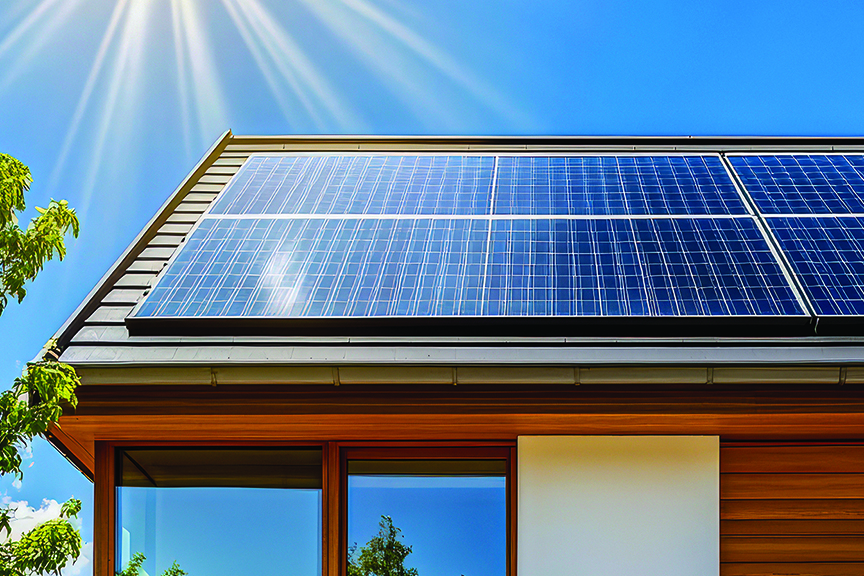
- Ensure professional installation and maintenance of solar power systems.
Virginia, Maryland & Delaware Association of Electric Cooperatives Safety Instructor Wayne Shrader says, “Homeowners need to get generators and solar panels installed by a reputable electrician to ensure safety. For portable generators, you have to make sure to put a transfer switch in. It is the law and it needs to be done for the safety of crews and homeowners.”
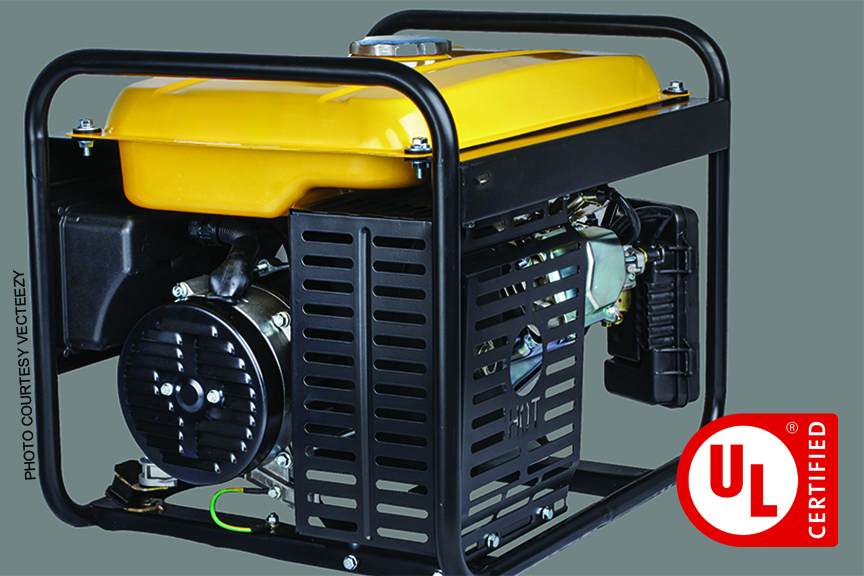
Shrader also suggests, “If you are using a gas-powered portable generator during an outage, plug appliances and other electrical equipment straight into the generator — not into any household wiring — to reduce fire risk and potential for shock.”
Another emerging trend involves small solar panels that plug into an electrical outlet to provide supplemental power to a home. These products are marketed as way to reduce electric bills. However, many plug-in solar panels are not tested or safety-rated. Inferior products widely available online can pose fire or shock hazards inside the home.
While efforts are underway to regulate these products, universal safety standards are not yet in place. Homeowners considering plug-in solar products should check labels to confirm the units are tested and UL certified. They should also unplug these devices if crews or contractors are working on the home’s electrical system.
To see a PDF of the illustration below, click here.