
Examining the complex issues impacting reliable and affordable power
January-February 2026
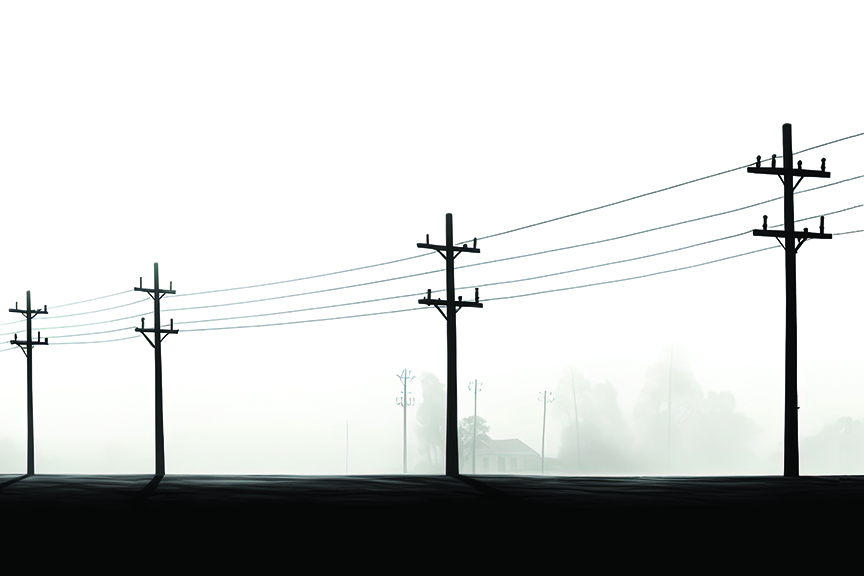
Virginia is the largest energy importer in the U.S.
by Jeff Caldwell, Staff Writer
Electrons are not political. They are not tied to any nationality, agenda or viewpoint. They are not concerned with where they come from or how they are made. All electrons care about is flowing from where they are generated to where they are needed.
Unfortunately, the business of ensuring that we can flip a switch and the lights will come on involves a much more complex conglomeration of policy, economic and technological considerations. While electrons do not have to think about these things, as a member-owner of an electric cooperative, you need to be aware of them.
Some of these issues date back to the early 20th century when electrifying rural communities necessitated a cooperative approach. Private utility companies focused on powering cities and industrial centers because that was the profitable market for their service. Electric cooperatives stood up to ensure rural America had the same access to electric lights and appliances — and associated economic development opportunities.
Other issues are newer, such as the explosive growth of data centers, development of emerging technologies and concerns about our environment.
The electric grid that carries electricity from power plants to homes is a web of engineering, political, business and regulatory interests requiring local, state and national cooperation. Balancing traditional forms of power generation, such as natural gas and hydropower, with emerging technologies like small modular nuclear reactors and improved storage batteries (fed by wind and solar projects to reduce reliance on fossil fuels) adds complexity.
Rising demand to power our increasingly plugged-in lifestyle and global web-based economy, combined with constraints on power generation and transmission, are placing stress on our power grid and increasing costs for all electric consumers.
One thing is for certain — the simple movement of electrons from where they are generated to where they are needed includes a complex tangle of challenges, issues and uncertainty about future demand and technology. In upcoming issues of Cooperative Living, we will unwind some of these topics facing the electric industry and explain how these issues impact you — electric cooperative member-owners.
We will look at challenges to reliability — what we are doing to ensure that you can count on the lights always coming on when you flip the switch, and the threats to that standard.
We will explore why power bills have increased with the heightened demand for electricity and higher costs to move electrons from where they are generated to where they are needed.
With Virginia maintaining its standing as the largest energy importer in the country and the crossroads of the worldwide internet and AI infrastructure, with roughly 70% of internet traffic passing through Virginia data centers, we will look at how our regional power needs have national and international implications.
More than 2 million people who live in homes and work on farms and in businesses in Virginia, Maryland and Delaware are served by electric cooperatives. We will explain how your electric co-op is working to keep electricity affordable and reliable for its member-owners.
Some may wonder why these articles are in a magazine that focuses on celebrating rural living. Cooperative Living has always connected our readers to their cooperatives. As electric cooperative member-owners, you are part of the critical business decisions your cooperative will have to make to address these challenges.
We plan to provide you with important information that can help you better understand the issues facing the electric industry. We will provide insights into the decisionmaking process your electric cooperative is using to grapple with our current and future energy needs. We will also deliver the knowledge you need to discuss these issues in your community and with the board members and elected officials who represent you when these policy decisions are made.