
Protect your home and the environment with a few simple steps
January-February 2026
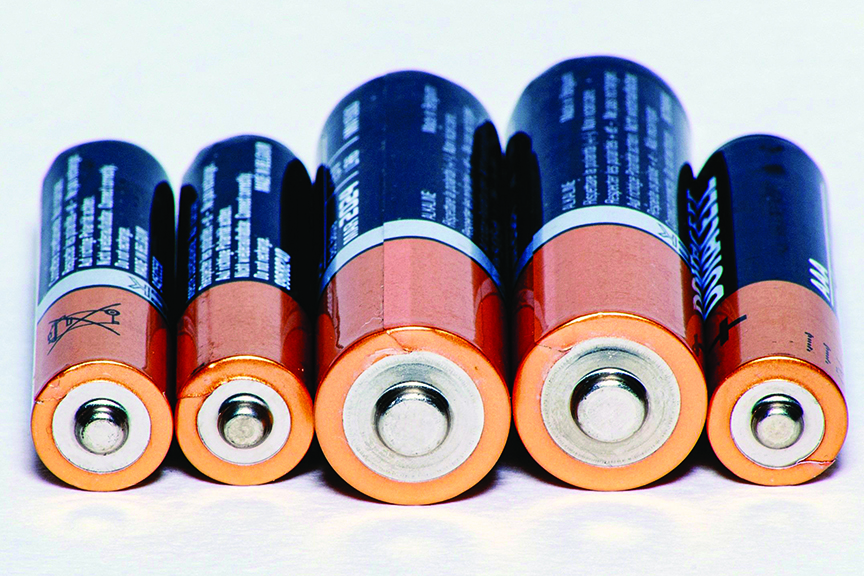
Recycling single-use batteries is always the best option for disposal.
by Steph Joven, Contributing Writer
Batteries are part of everyday life — from the ones in our television remotes and flashlights to the big ones that power electric vehicles and even energy storage systems used by electric utilities. But when batteries are disposed of improperly, they can leak harmful chemicals, catch fire and waste valuable materials that could otherwise be recycled.
Globally, electronic waste is one of the fastest-growing types of trash. In 2022, people worldwide threw away more than 62 billion kilograms of it. In the U.S. alone, that adds up to 21 kilograms (about 46 pounds) of e-waste per person each year.
BATTERY TYPES AND HOW TO DISPOSE OF THEM
Not all batteries are the same, and how you dispose of them depends on their components. Some batteries can be recycled easily, while others can be dangerous if improperly discarded — they may leak toxic chemicals or even start fires. That’s why the U.S. Environmental Protection Agency recommends following local rules or using national collection programs like Call2Recycle, Earth911 or drop-off bins at hardware stores to make sure batteries are handled safely.
Single-use batteries are designed to be used once then replaced. These include alkaline and zinc-carbon batteries — the common AA, AAA, C, D and 9-volt sizes used in remotes, flashlights and other small devices. Some areas allow these batteries to be placed in household trash but recycling is always the better option when it’s available. Button or coin batteries (used in watches, hearing aids and car key fobs) are often lithium-based. These should never be thrown away in regular trash or recycling bins because they can spark fires. Instead, cover the battery terminals with tape or seal them in small bags and take them to a certified recycling facility.
Rechargeable batteries power many of our everyday devices — cordless tools, phones, laptops, cameras and even scooters. Types include nickel-cadmium (Ni-Cd), lithium-ion (Li-ion), nickel-metal hydride (Ni-MH), nickel-zinc (Ni-Zn) and small sealed lead-acid batteries. While these may look different, they all share one rule: Never throw them in the trash. They must be taken to a recycling facility. For devices with built-in, non-removable batteries, recycle the entire device and make sure the battery ends are taped or bagged to prevent sparks.
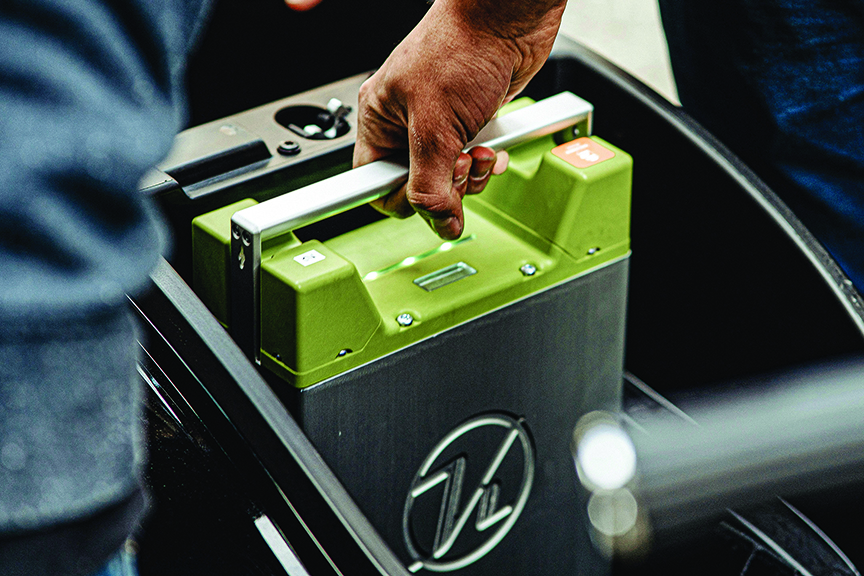
Larger lithium-ion batteries — like those in electric vehicles or other e-transportation vehicles — should only be handled by dealers, repair shops or the manufacturer.
LAND VEHICLE AND MARINE BATTERIES
Automotive and large batteries are more powerful and require special care. Lead-acid batteries, found in cars, boats, motorcycles and ATVs, contain lead and acid, which is hazardous. These should always be returned to a retailer, repair shop or a local hazardous waste program. Larger lithium-ion batteries — like those in electric vehicles and home or utility-scale energy storage systems — are even more complex. They should only be handled by dealers, repair shops or the manufacturer. These should never be discarded in curbside waste or recycling.
With a few simple steps, each of us can do our part — and together, we can keep our homes and community a little cleaner and safer.
Steph Joven writes on consumer and cooperative affairs for the National Rural Electric Cooperative Association.