
Connected devices boost comfort, add convenience and improve energy efficiency
January-February 2026
by Scott Flood, Contributing Columnist
Smart devices use digital technology and Wi-Fi to take your home to a new level of convenience and comfort. They can also help you use your electricity more efficiently, reducing waste and lowering your energy bills.
Even if you’ve already put the many advantages of smart electronics to work for your home and family, you might be surprised by some of the newer devices with the potential to change your daily life.
SMART THERMOSTATS
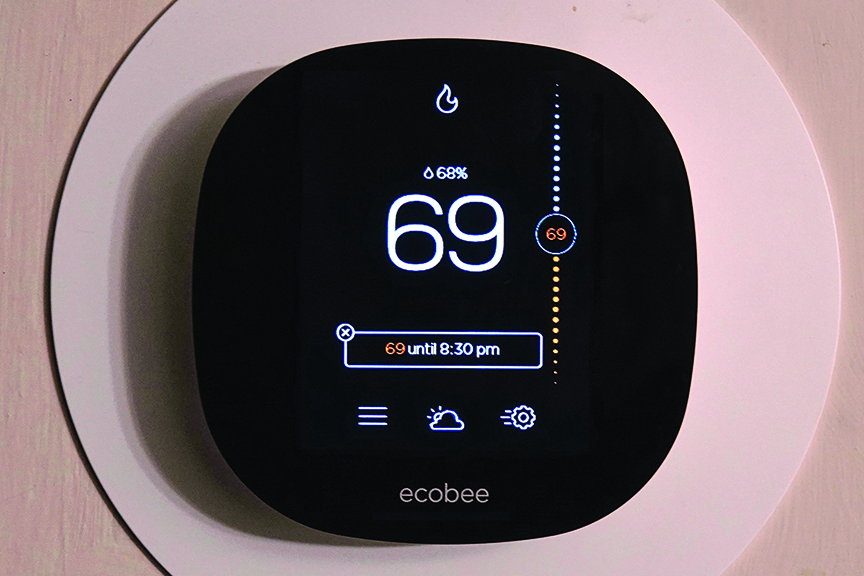
Heating and cooling use more energy than any other part of your home. Replacing your home’s standard thermostat with a smart model can lower your monthly electric bills while keeping you even more comfortable. Smart thermostats learn your daily habits, so you won’t have to lower your thermostat every evening because it will happen automatically. Smart thermostats know precisely when you need electricity and when you don’t, so they use far less energy.
SMART APPLIANCES
The second biggest share of your home’s electricity powers appliances, from your refrigerator to your water heater. Smart appliances use Wi-Fi and high-tech sensors to operate more efficiently. A smart washing machine can sense the size of your load and adjust the water and cycle times accordingly. Smart refrigerators can warn you when the kids leave the door open. And smart water heaters don’t waste energy by heating water while you’re asleep.
SMART PLUGS AND POWER STRIPS
An easy and affordable way to explore smart technology is with smart plugs that plug into your wall outlets. You can then plug lighting, appliances and other devices directly into them. You’ll be able to control all those devices through a single app, so you can tell the coffee maker when to start brewing, turn your exterior accent lighting off at dawn or have your favorite music already streaming as you walk in the door.
Smart power strips look like their ordinary cousins but use smart plugs. They’re invaluable for eliminating waste caused by “phantom load” — like leaving your phone charger plugged in when it’s not charging.
SMART SHADES
You wish your family room didn’t face south because it’s always warm during the day. Smart shades and blinds can help. You can set them to automatically open or close depending on the time of day (and year) or based on your home’s indoor temperature. They can help your air conditioner keep you cooler for less money.
SMART ASSISTANTS
When you combine the capabilities of individual smart home electronics with voice assistants, such as Amazon’s Alexa, or whole-home smart energy management systems, they become even more powerful. You can teach voice assistants to perform multiple tasks that make up your daily routine, such as the “good morning, house” message. Energy management systems simplify control of all aspects of your home’s energy use, and some offer specific tips to help you save energy.
BE SMART (WITH YOUR SMART DEVICES)
While all those smart devices may make your home more energy efficient, they’re not perfect. Most require an internet connection, so if your service is down, your smart devices won’t work either.
Smart devices typically don’t receive frequent system updates like your smartphone or laptop, so be aware of potential security issues. Make sure smart home devices are completely secure and compatible with what you have. Then prepare to be amazed by what smart home electronics can do for you.
Scott Flood writes for the National Rural Electric Cooperative Association.